
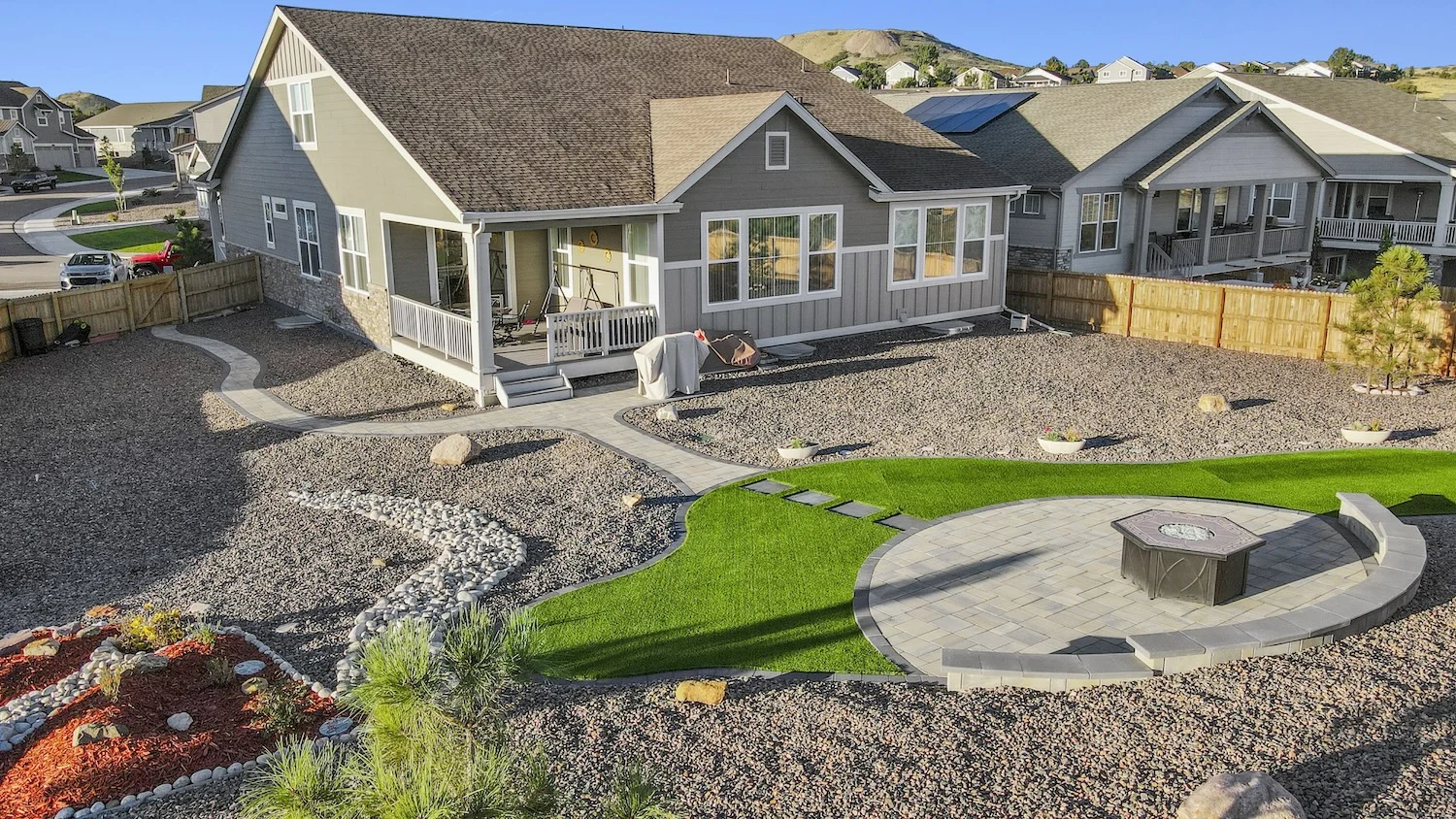
Defensible Space & Fire-Resistant Landscaping
Creating proper Defensible Space & Fire-Resistant Landscaping is one of the most effective ways to protect your home during wildfire season. Even during a Red Flag Warning, maintaining defensible space and using fire-resistant plants reduces the risk of fire reaching your home. This combination of landscaping and safety planning increases protection for your family and property.
Learn more about wildfire alerts at Red Flag (Fire Weather) Warning and Fire Weather Watch vs Red Flag Warning.
How to Establish Defensible Space
Defensible space is typically divided into three zones:
- Immediate Zone (0–5 feet): Remove flammable materials, keep plants watered, and use fire-resistant landscaping like gravel or stone.
- Intermediate Zone (5–30 feet): Space shrubs and trees apart, prune branches away from structures, and remove dead vegetation.
- Extended Zone (30–100 feet): Maintain grass and shrubs, remove ladder fuels, and create clear firebreaks.
Properly maintained defensible space supports your homeowners insurance in case of wildfire damage, as explained in Homeowners Insurance for Wildfire.
Fire-Resistant Landscaping Tips
Fire-resistant landscaping complements defensible space. Consider:
- Choosing plants low in resin and moisture-rich
- Keeping shrubs trimmed and grass mowed
- Installing hardscaping like stone paths, gravel beds, or patios
- Avoiding flammable mulch near your home
Authoritative guidance: FEMA Wildfire Safety, US Forest Service Firewise Program, Ready.gov – Wildfires
Integrating Insurance and Preparedness
A strong wildfire protection strategy combines Defensible Space & Fire-Resistant Landscaping with homeowners insurance. Insurance provides financial recovery, while proper landscaping and defensible space reduce the risk of property damage. Reviewing coverage, maintaining defensible space, and understanding wildfire alerts work together to protect your home.
Conclusion
Maintaining Defensible Space & Fire-Resistant Landscaping is critical for wildfire preparedness. Combined with insurance and alert awareness, it minimizes both property and personal risk. Year-round maintenance ensures your home is protected during high-risk periods like Red Flag Warnings.
FAQs – Defensible Space & Fire-Resistant Landscaping
Q1. What is defensible space?
Defensible space is a buffer area around your home designed to reduce wildfire risk by removing flammable vegetation and creating fire-resistant zones.
Q2. How far should defensible space extend?
Typically, defensible space extends up to 100 feet from the home, divided into immediate, intermediate, and extended zones.
Q3. What types of plants are fire-resistant?
Fire-resistant plants are low in resin, high in moisture, and less likely to ignite. Examples include succulents, certain grasses, and low-growing shrubs.
Q4. How does fire-resistant landscaping protect my home?
It reduces fuel for wildfires, slows fire spread, and creates safer conditions for firefighters, lowering the risk of damage.
Q5. How does this work with homeowners insurance?
Maintaining defensible space and fire-resistant landscaping can help reduce damage, making insurance claims more effective and possibly lowering premiums.